My kids and I have a soft spot for a certain kind of Michigan history. Not the big-museum kind you find in Detroit or Grand Rapids, but the kind that's tucked away somewhere you'd never stumble into by accident. Both of them like it, and so do I.
So one day, my daughter, Hallie, and I decided to go find some. We jumped in the truck and drove six and a half hours, all the way to the top of the Keweenaw Peninsula and just past Copper Harbor, to see Fort Wilkins.
It was worth every mile.
Where Is Fort Wilkins?
Fort Wilkins Historic State Park sits at the far northern tip of the Keweenaw, about as far north as you can drive in Michigan. Follow US-41 until it runs out of road at Copper Harbor, and the fort is just east of town, between Lake Fanny Hooe and Lake Superior.
That remoteness is exactly why so many people never think to go. It's not on the way to anything. You have to mean it. But that's also what makes it feel like a find instead of a tourist stop.
You pull in, and there's a nice visitor area and gift shop near the entrance. There was also ice cream, which Hallie wanted immediately. I don't know why ice cream is always the first priority after six and a half hours in a truck, but I've stopped asking.
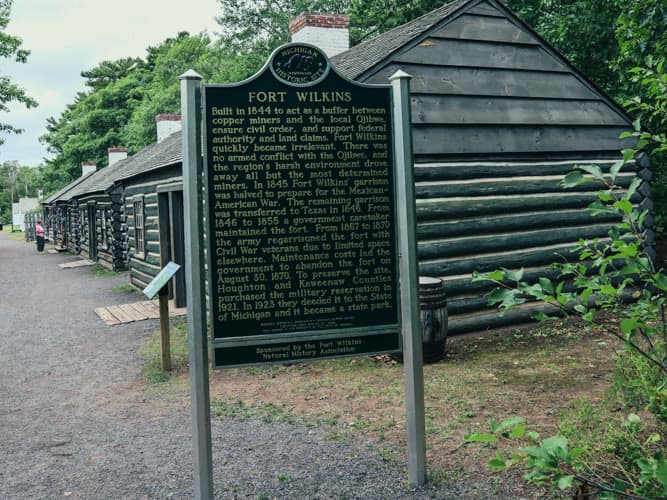
A Short History of Fort Wilkins
The U.S. Army built Fort Wilkins in 1844, during Michigan's copper rush, when thousands of prospectors and miners were pouring into the Keweenaw. The idea was to keep the peace in a brand-new, very remote mining region.
It didn't last long the first time. In 1846, the troops were pulled out to fight in the Mexican-American War. After the Civil War, the Army came back from 1867 to 1870, and then left for good. In 1923, the State of Michigan took it over and made it a state park.
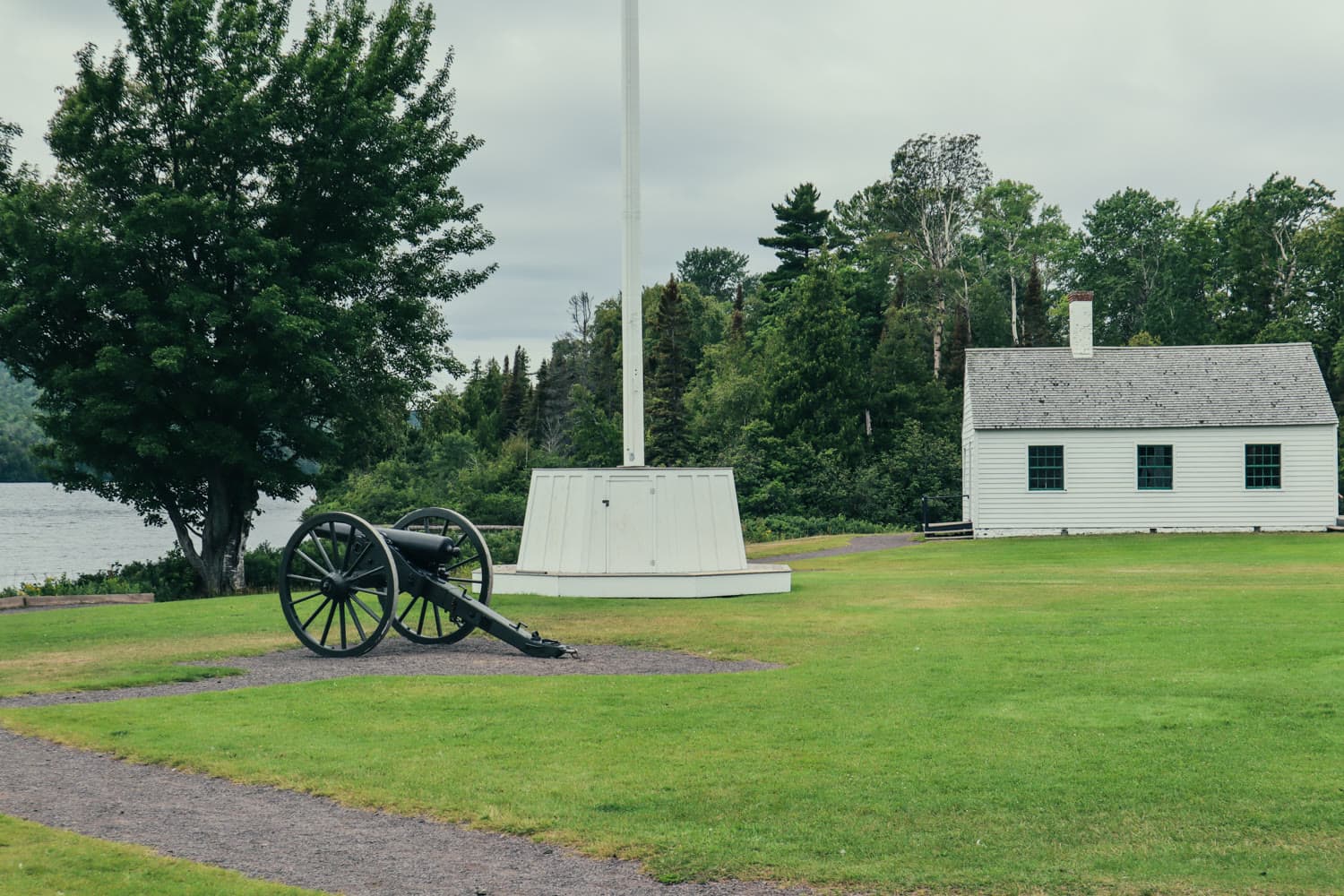
Today, 19 buildings survive, and 12 of them are originals from the 1840s. Clearly they've been brought back to life over the years, but you're walking through the real thing. The log barracks, the officers' quarters, the store and the workshops are all set up the way they would have looked when soldiers and their families lived there.
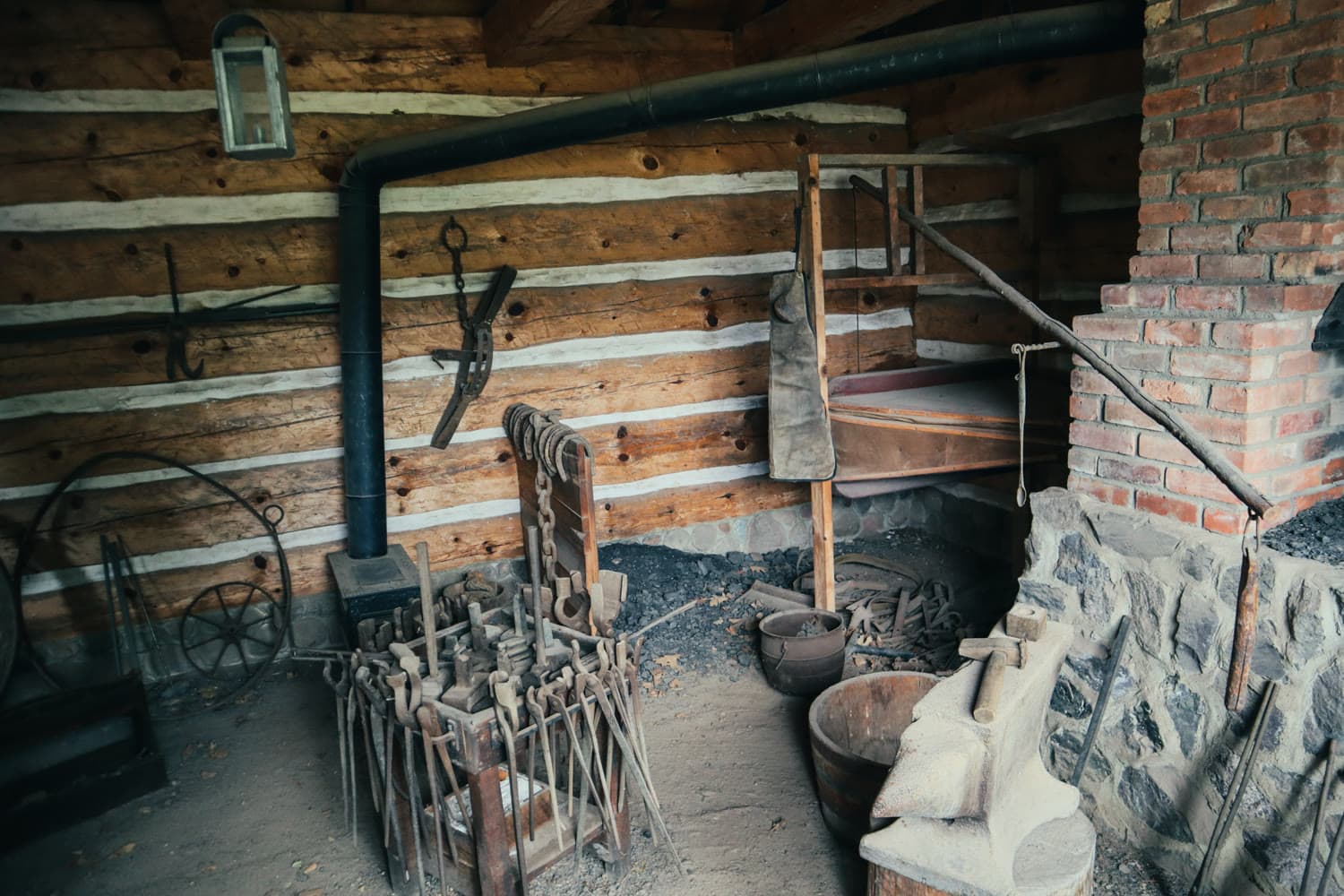
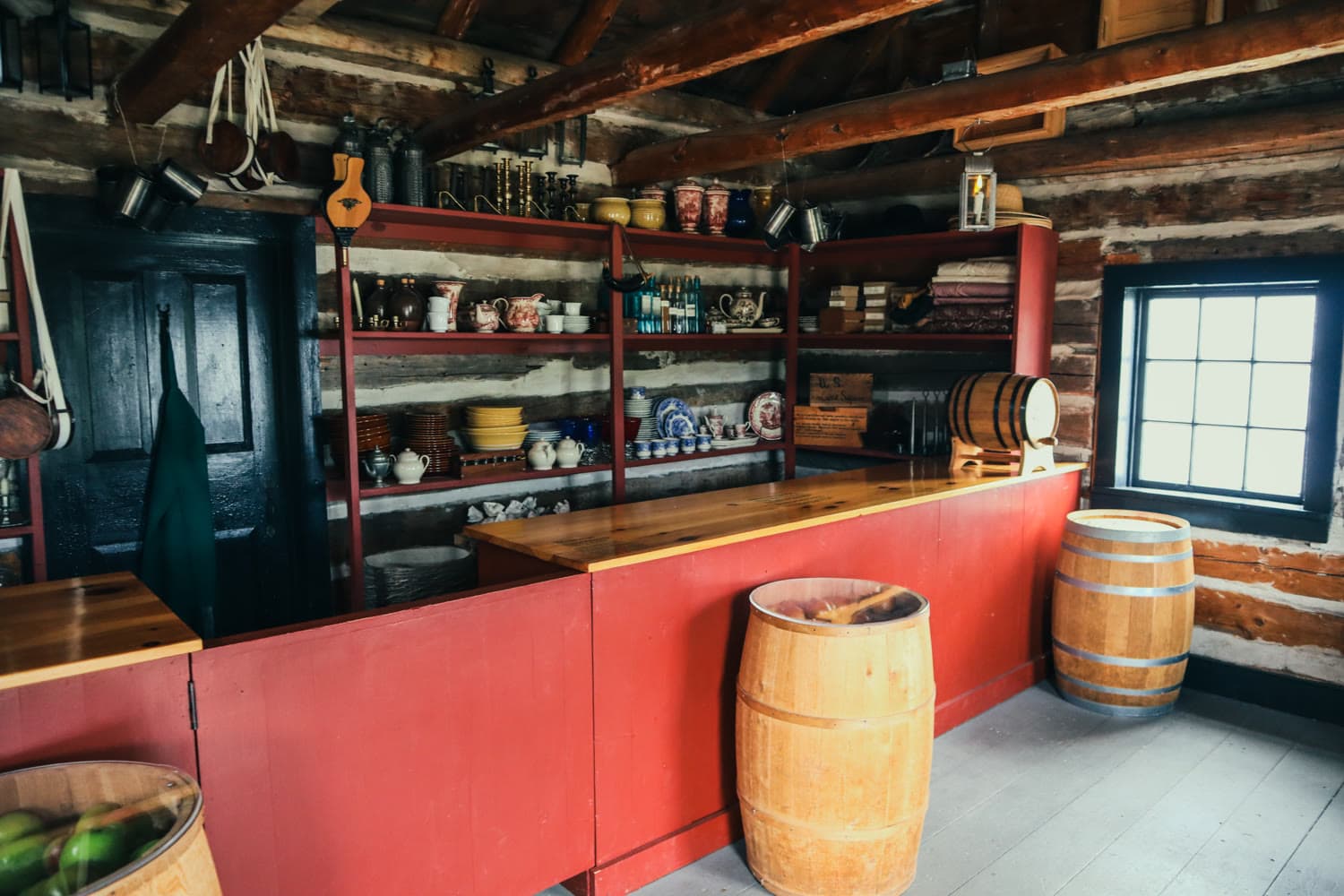
The Reenactors Make It
This is the part that surprised me most. Fort Wilkins has costumed interpreters, and they stay in character.
You walk into one of the houses, and there might be a woman sitting there knitting. She'll tell you her family is off at work, and before you know it, you're getting the story of what daily life at the fort was like, told by someone who's acting like she lives there. Outside, another woman was washing clothes by hand in an old bucket, like it was just another Tuesday in 1870.
That's not a random year, by the way. The interpreters play the fort as it was in the summer of 1870, its last year as an active Army post.
Hallie loved this. She talked to the reenactors, asked them questions and had real conversations with them. Watching her get pulled into the history that way was the best part of the day for me. And even the staff who aren't in costume are happy to stop and talk to you about the place.
The living-history program runs in summer, roughly June through August, so if meeting the interpreters is a big part of why you're going, plan around that.
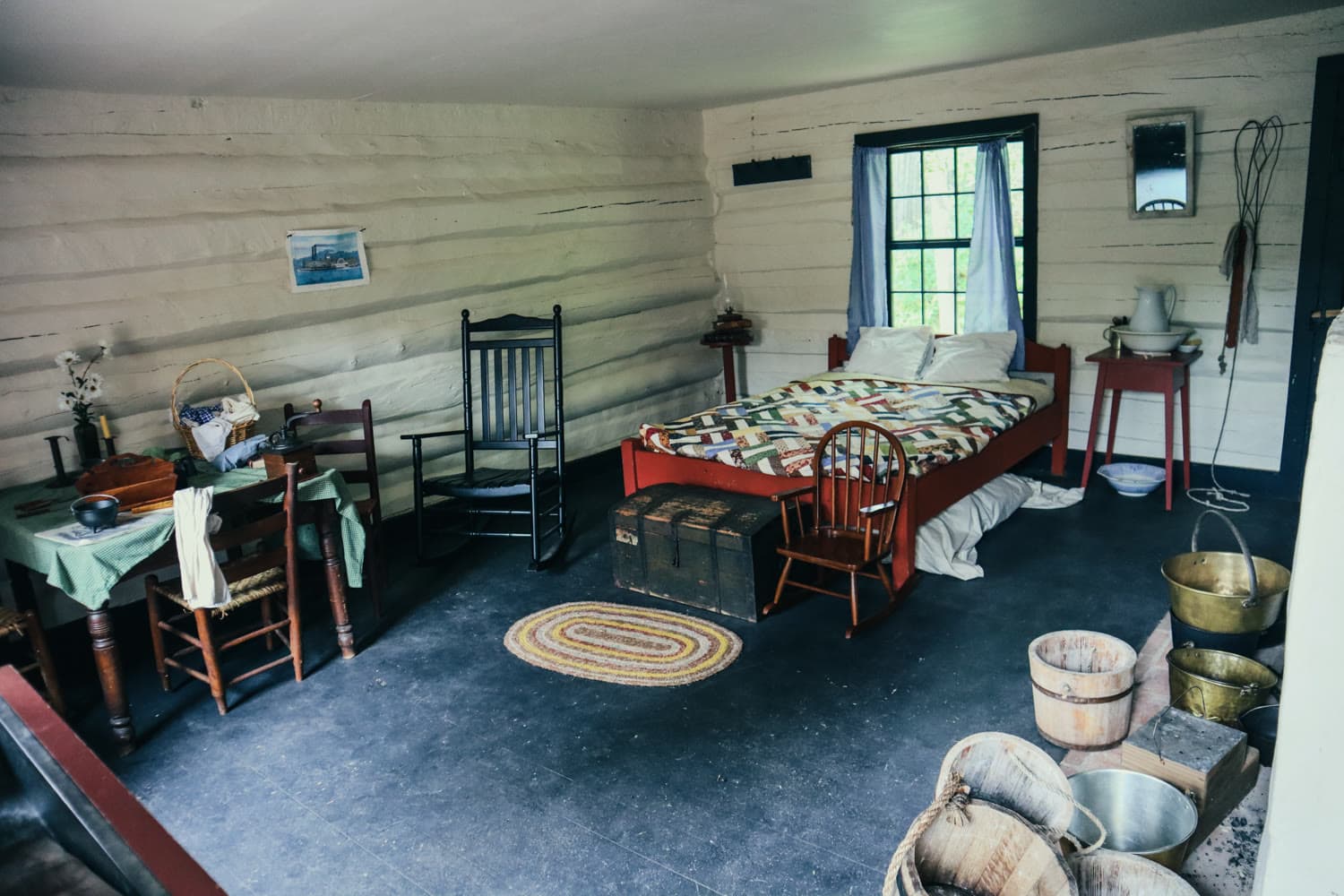
Whole Families Lived in These Little Rooms
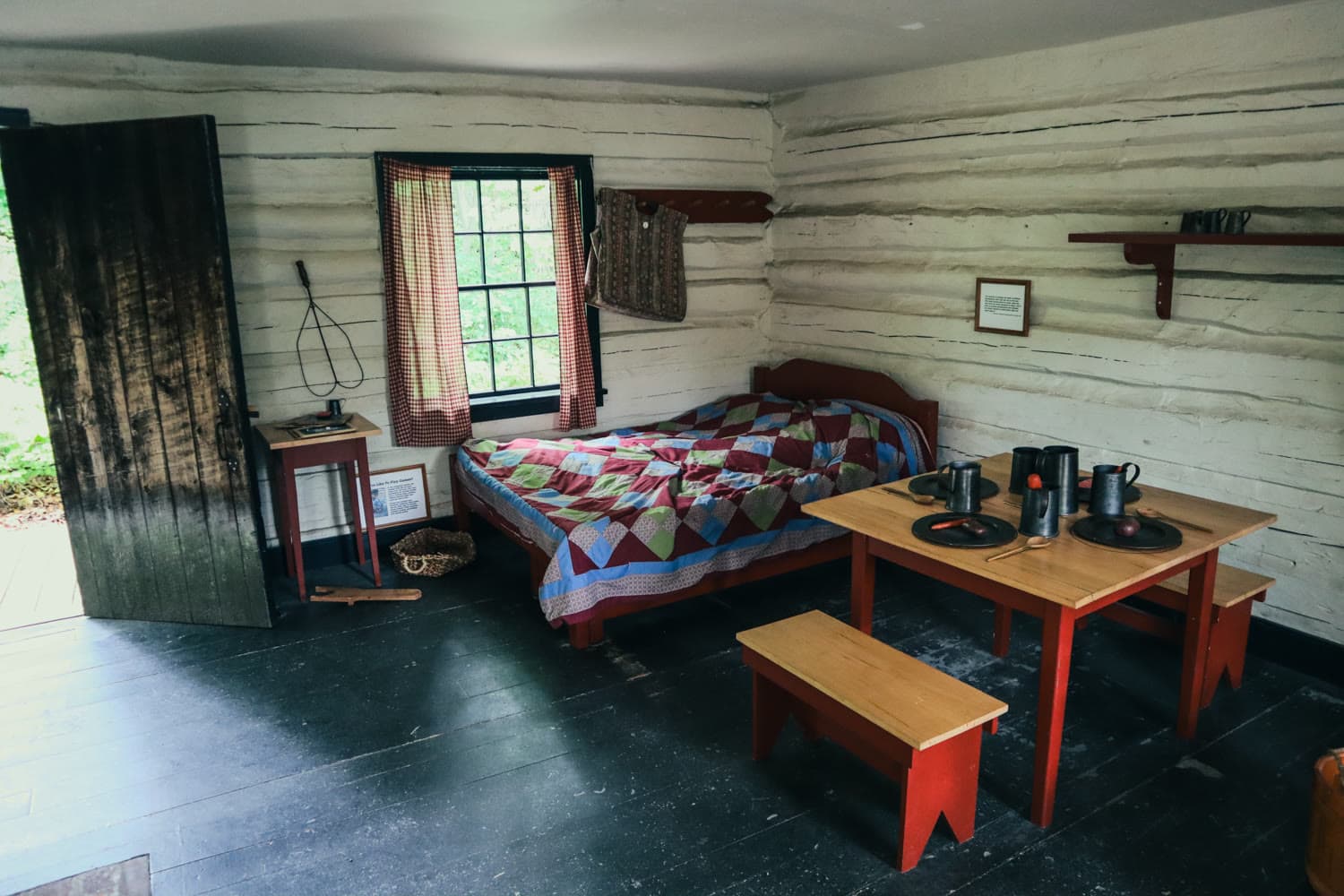
What stuck with me was how small everything is. Soldiers, and in some cases their wives and kids, lived in these little quarters, a long way from anywhere, through Keweenaw winters. A bed, a table, a stove, a few belongings. That was it.
Standing in those rooms, it's hard not to think about what it took to live there and serve there. It's just amazing that troops and their families made a life in these tiny spaces this far from home.
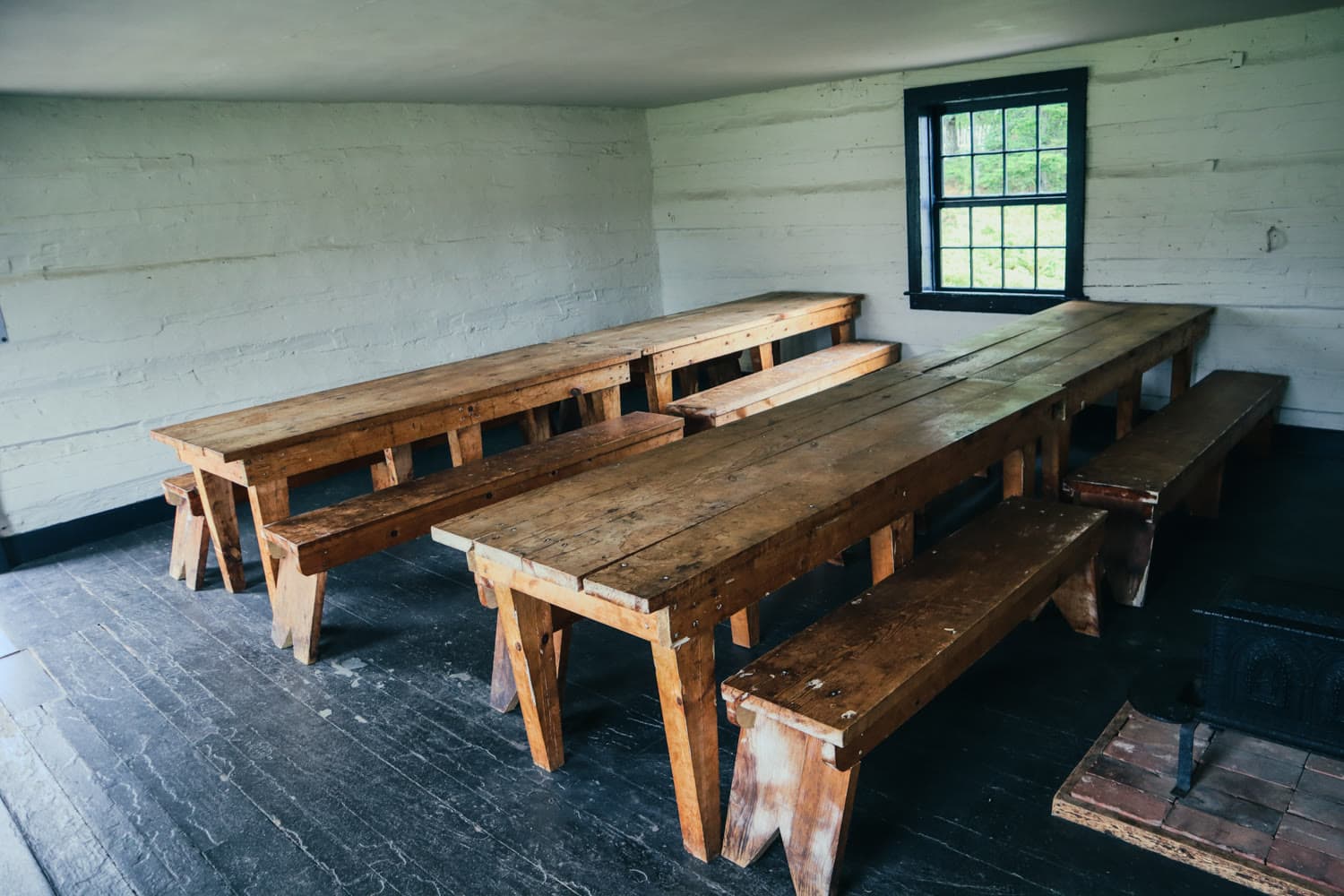
The mess hall, with its long wooden tables and benches, gives you a sense of how many people were packed into the fort at a time. It's simple, and that's what makes it hit.
Signs, Relics and the Little Details
There's a lot of signage inside the buildings explaining what things were and how they were used, which is great when you're the parent trying to answer questions you don't actually know the answer to.
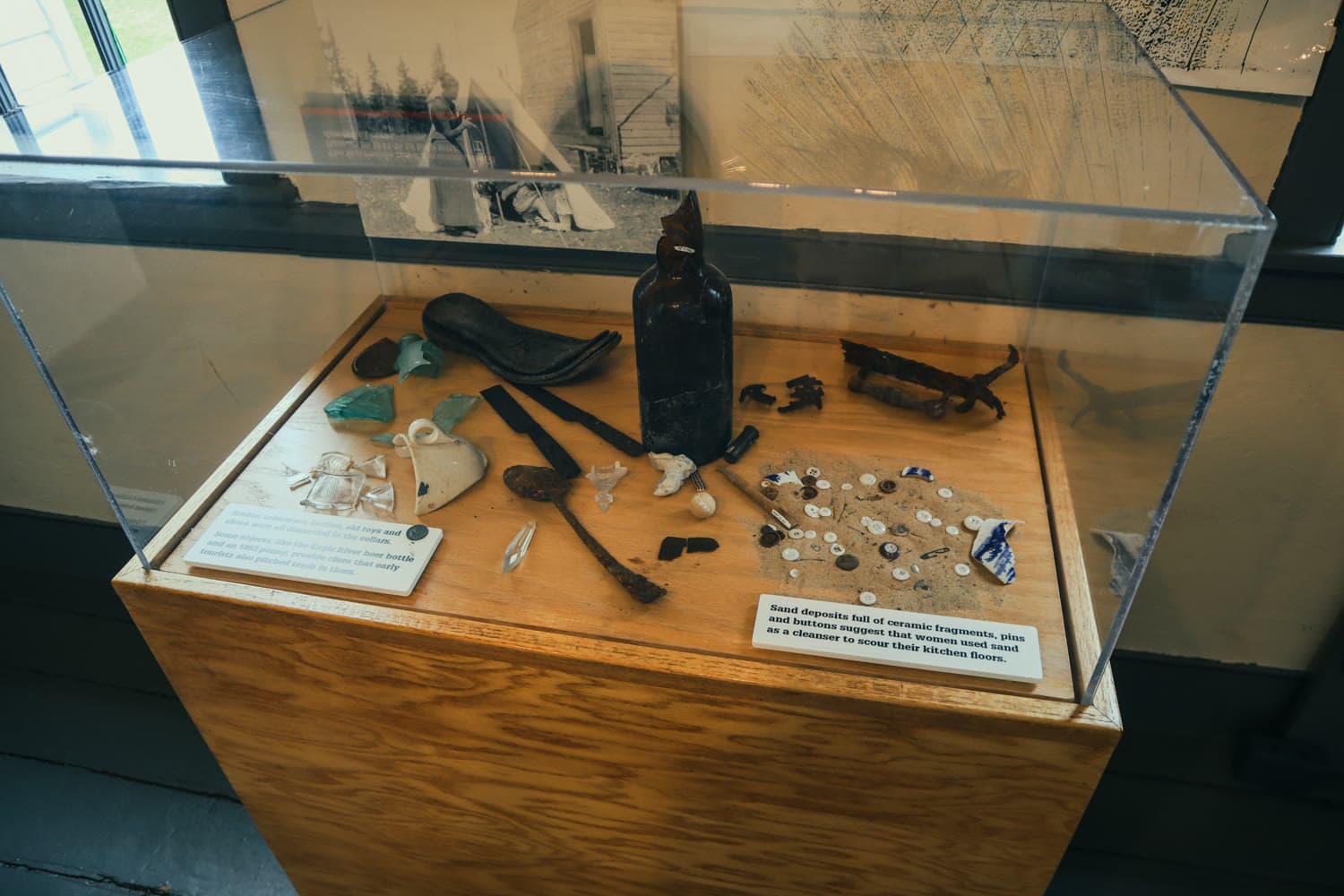
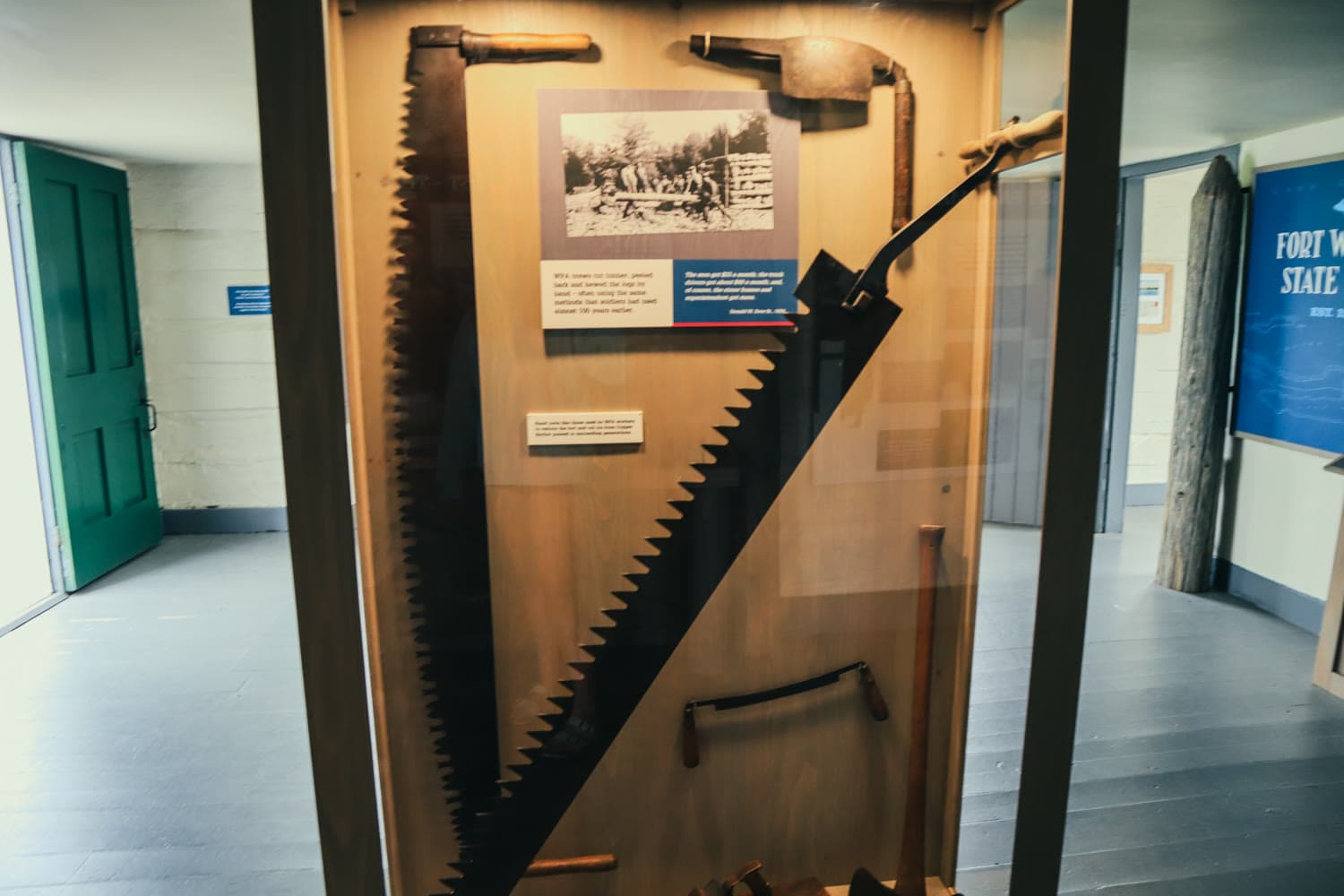
There are also cases full of relics, including bottles, buttons, tools and pieces of everyday life that were found at the fort. Some of the buildings have museum exhibits with old photos and equipment. One exhibit has a giant two-person crosscut saw, and I can't imagine using one of those all day.
Take your time in these rooms. The details are where the fort really comes alive.
The Cemetery, the Lighthouse and the Trails
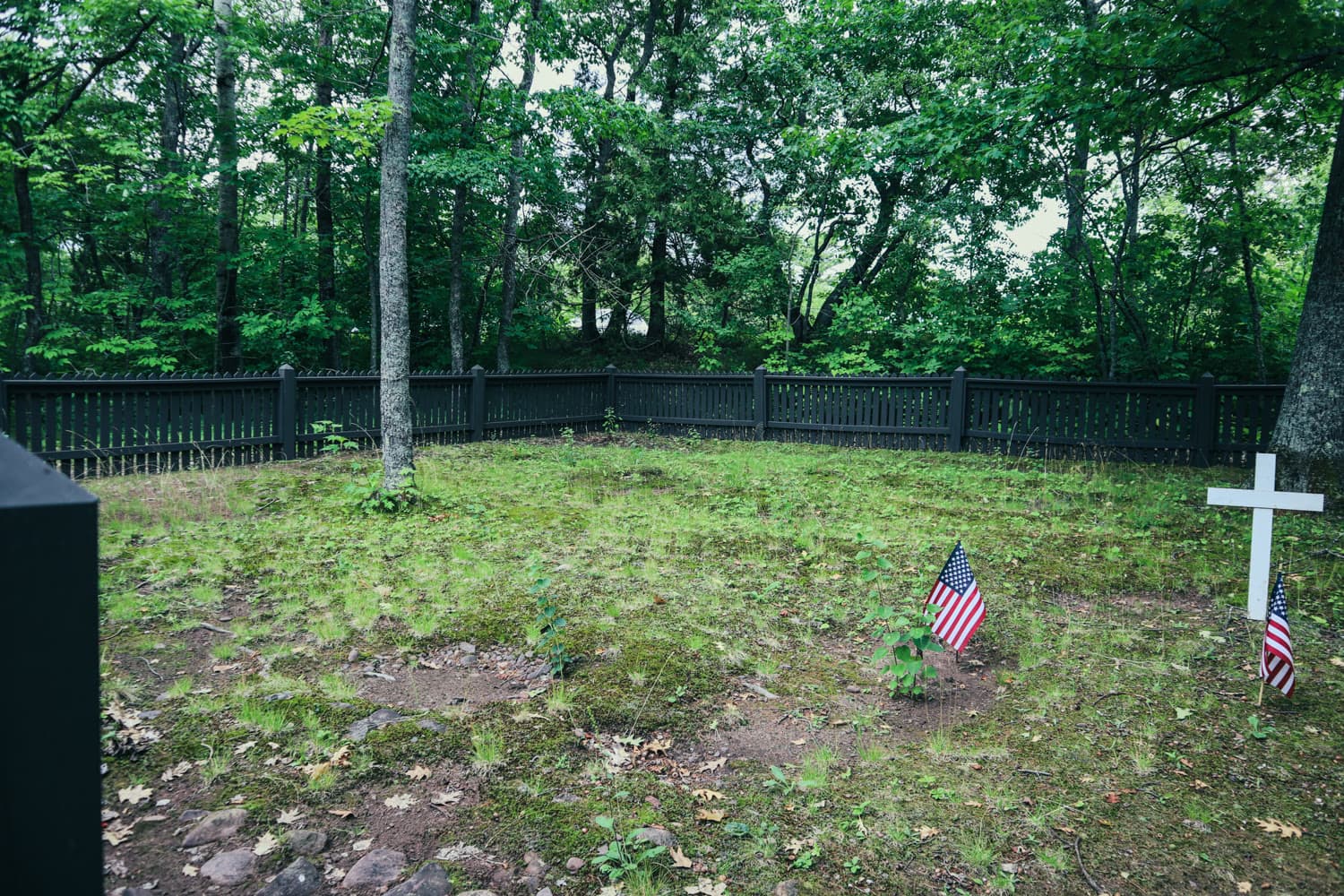
Fort Wilkins is more than the fort itself. There's a small post cemetery back in the woods, fenced in and quiet, with a white cross and a few American flags. It's a short walk and worth the stop.
The park also includes the Copper Harbor Lighthouse, which dates to 1866. It sits across the harbor on its own point, so you generally can't just walk over. Check with the park or the Copper Harbor marina about the seasonal boat tour if you want to see it up close.
There are also nice walking trails around the grounds and along Lake Fanny Hooe, plus a campground if you want to make a full stay out of it. Given how long the drive is, that's not a bad idea.
Before You Go: Cost, Hours and Parking
The basics for planning a visit:
- Cost: There's no separate ticket for the fort, but every vehicle needs a Michigan Recreation Passport to enter the park.
- Hours: The fort is open mid-May to mid-October, 8:30 a.m. to dusk, daily.
- Living history: Costumed interpreters are there in summer, roughly June through August. Check the Michigan History Center's events page for special programs.
- Parking: On-site parking at the park, just east of Copper Harbor off US-41.
- Getting there: Copper Harbor is the end of the road. Leave yourself plenty of daylight. From much of the Lower Peninsula, it's a full day of driving.
- How long: Plan on at least two to three hours to see the buildings without rushing, longer if you'll walk the trails or take the lighthouse boat tour.
Is Fort Wilkins Worth the Drive?
Yes. Absolutely.
I was kind of bummed that my son, Atticus, couldn't make this trip, because I know he would have enjoyed it, too. Hallie had a great day. The buildings are amazing, the history is real, and the reenactors turn it from a place you look at into a place you learn from.
It's far away and it's remote, and that's exactly why people don't think to go. If you're anywhere near the Keweenaw, go anyway. I absolutely recommend it.
More Keweenaw Stops to Pair With Fort Wilkins
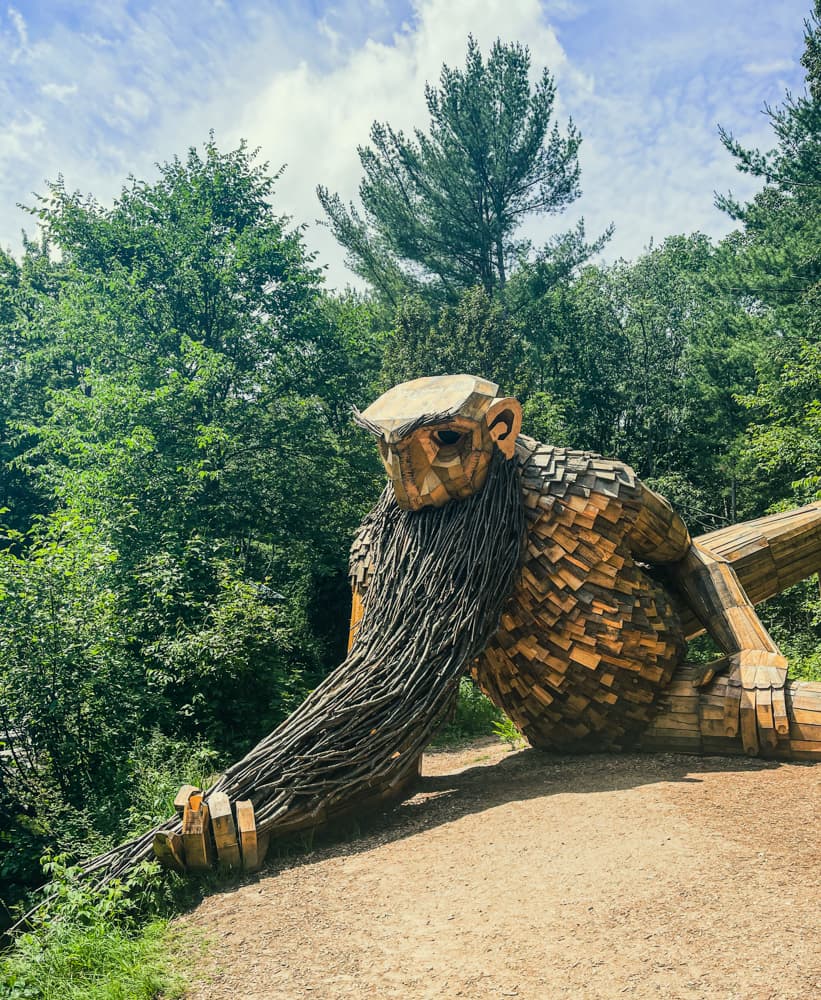
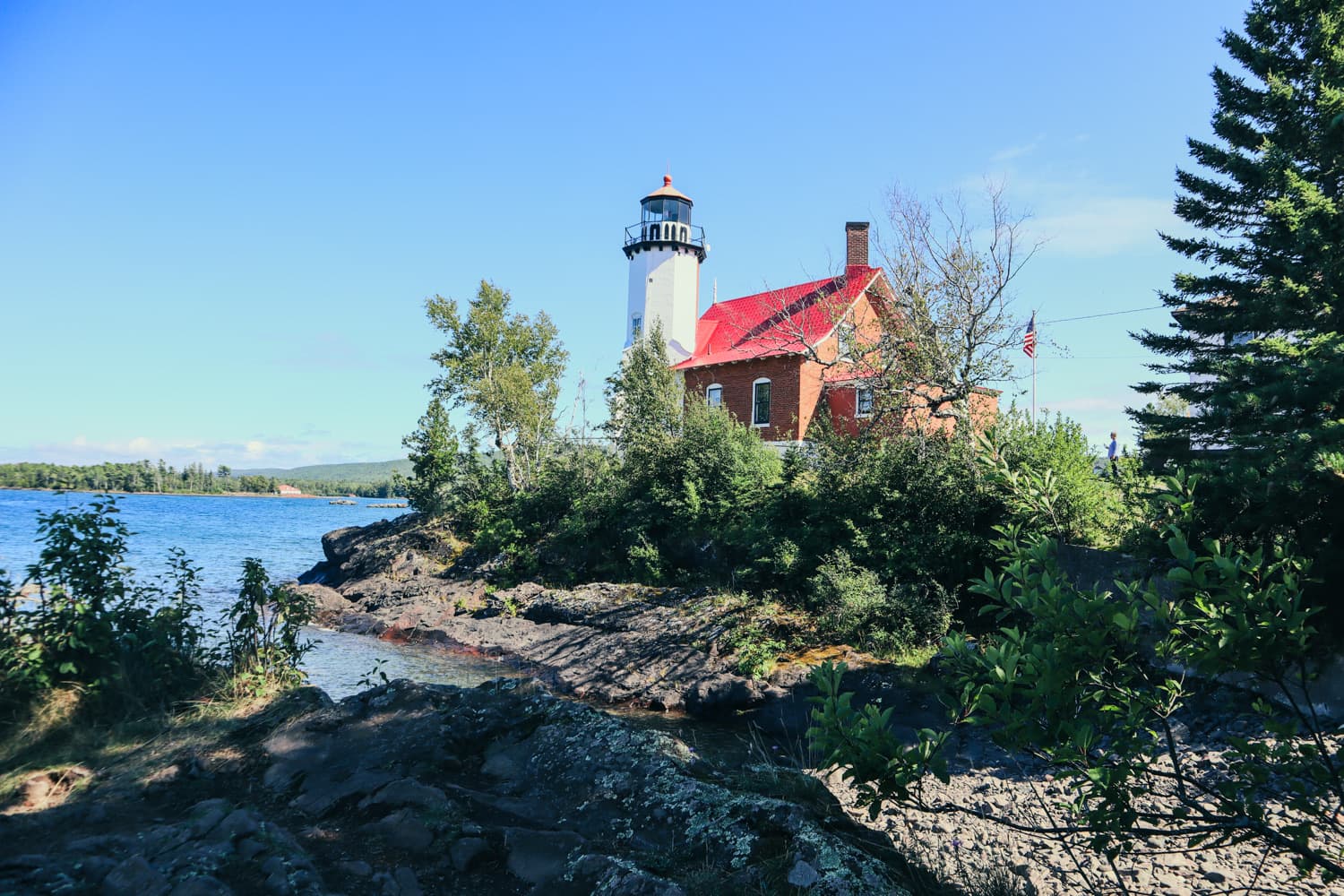
You're already at the top of the Keweenaw, so make a loop of it. Eagle Harbor Lighthouse is a short drive west along the Lake Superior shore and has its own little museums and a shipwreck story full of Chryslers. Heading back south, Houghton Douglass Falls near Lake Linden is an easy stop, and Canyon Falls near L'Anse is a good leg-stretcher on the long drive home. You can find more on our interactive map.